Blogs
The Greatest Heavyweight Boxing Rivalries of All Time

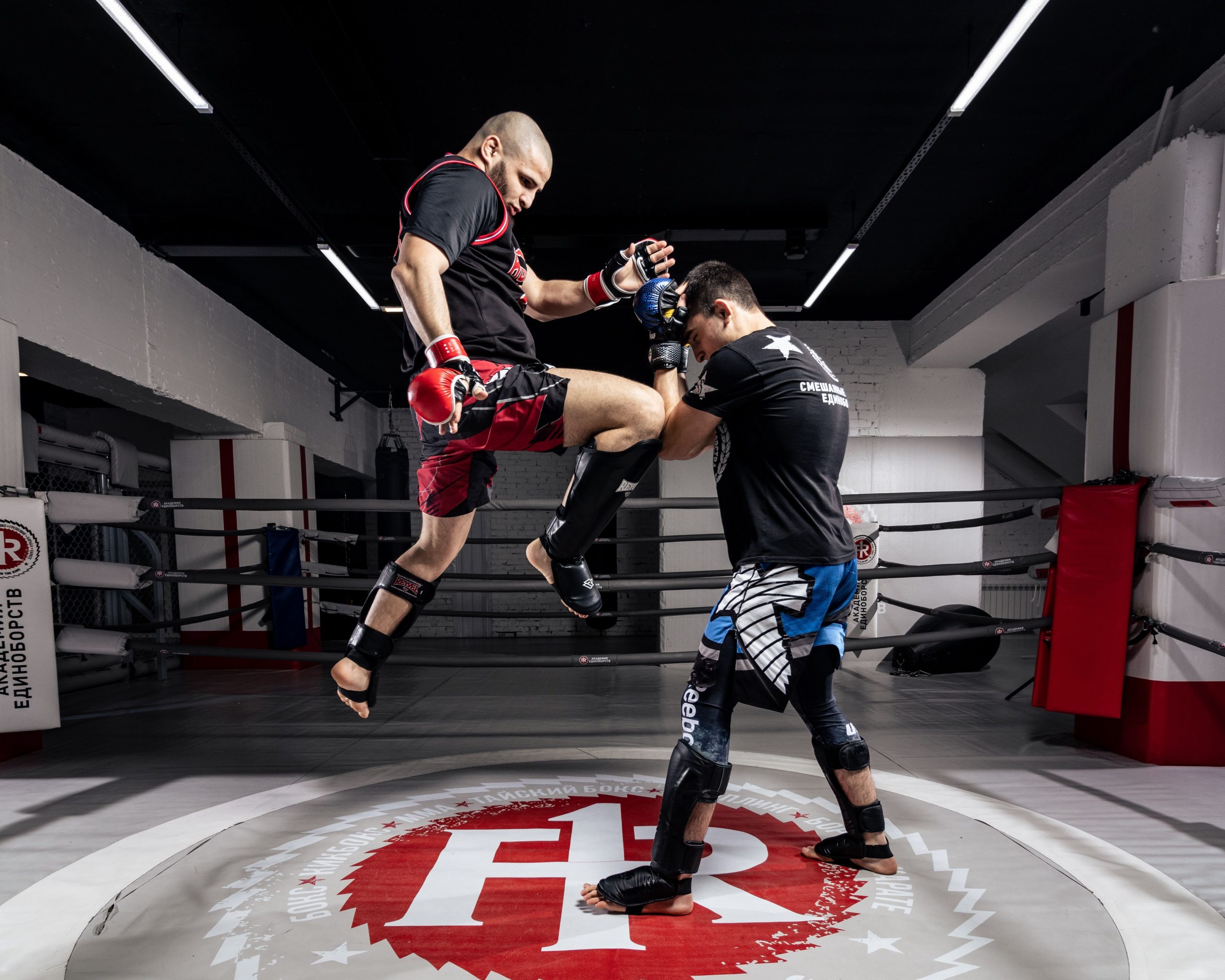
A major heavyweight fight can capture public attention, but a true rivalry can define an entire era. The greatest heavyweight boxing rivalries have combined contrasting styles, personal tension, championship stakes, and enough uncertainty to make audiences demand another fight.
Some rivalries were created by repeated close contests. Others were intensified by politics, race, nationality, or genuine personal dislike. Together, they helped turn heavyweight boxing into one of the most dramatic attractions in sports.
Muhammad Ali vs. Joe Frazier
No discussion of heavyweight boxing rivalries can begin anywhere else.
Muhammad Ali and Joe Frazier fought three times between 1971 and 1975. Their rivalry was built around more than the heavyweight championship. The two men had different personalities, public images, fighting styles, and relationships with the political issues of their time.
Frazier applied relentless pressure, attacked the body, and possessed a dangerous left hook. Ali depended on speed, movement, accuracy, and psychological tactics.
Frazier won their first meeting, known as the “Fight of the Century,” by unanimous decision. Ali won the second contest, setting up the “Thrilla in Manila.” Their third fight became a brutal test of conditioning and will before Frazier’s corner stopped the contest after the fourteenth round.
The rivalry demonstrated how deeply personal promotion could make a sporting event, although both men paid a heavy physical and emotional price.
Joe Louis vs. Max Schmeling
Joe Louis and Max Schmeling fought only twice, but their rivalry carried enormous historical significance.
Schmeling defeated Louis in 1936 after identifying a weakness in the American fighter’s defense. By the time of their 1938 rematch, political tension between the United States and Nazi Germany had transformed the contest into something much larger than boxing.
Louis stopped Schmeling in the first round. The result made Louis a national hero and created one of the most symbolically important moments in American sports.
Unlike some rivalries, the hostility surrounding Louis and Schmeling did not define their personal relationship. They later developed a friendship, showing how public narratives can differ from the feelings of the athletes involved.
Jack Johnson vs. James J. Jeffries
Jack Johnson’s rivalry with James J. Jeffries reflected the racial divisions of early twentieth-century America.
Johnson became the first Black world heavyweight champion in 1908. Many white boxing figures searched for a former champion who could defeat him. Jeffries came out of retirement to face Johnson in 1910 in a fight promoted around the offensive idea of restoring the championship to a white fighter.
Johnson dominated the contest. His victory was historically important, but it was followed by racial violence in several American cities.
This rivalry remains an example of how heavyweight boxing has often reflected conflicts taking place far beyond the ring.
Rocky Marciano vs. Jersey Joe Walcott
Rocky Marciano and Jersey Joe Walcott produced one of the most memorable heavyweight championship fights.
Walcott was an experienced and technically skilled champion. Marciano was younger, physically powerful, and relentlessly aggressive. During their first meeting in 1952, Walcott knocked Marciano down and controlled much of the contest.
Marciano eventually landed a devastating right hand in the thirteenth round to win the championship. He also won their rematch, stopping Walcott in the opening round.
Their rivalry represented the classic boxing conflict between experience and pressure, technical skill and raw force.
Riddick Bowe vs. Evander Holyfield
Riddick Bowe and Evander Holyfield fought three times during the 1990s. Their fights featured dramatic shifts in momentum, knockdowns, tactical adjustments, and physical exchanges between two elite heavyweights.
Bowe won the first fight by unanimous decision and captured the undisputed heavyweight championship. Holyfield adjusted his strategy and won the rematch by majority decision. Bowe settled the trilogy by stopping Holyfield in their third contest.
The rivalry remains respected because both fighters repeatedly accepted difficult challenges and produced competitive fights at the highest level.
Larry Holmes vs. Gerry Cooney
Larry Holmes versus Gerry Cooney was not a multi-fight rivalry, but the promotion surrounding their 1982 championship contest turned it into one of the biggest heavyweight events of its period.
Holmes was the experienced champion. Cooney was the undefeated, hard-punching challenger whose rise generated enormous public interest. The fight became surrounded by intense media coverage, commercial expectations, and racial tension that often went beyond anything the two fighters personally expressed.
The contest remained competitive before Holmes took control and Cooney’s trainer stopped it in the thirteenth round. Rappaport later wrote that Cooney faced several challenges, including inactivity, a shoulder injury, extreme heat, and the difficulty of competing against one of the greatest heavyweight champions.
Why Heavyweight Rivalries Matter
Great rivalries provide structure to boxing history. They give champions defining opponents and allow fighters to prove that one victory was not accidental.
They also reveal how athletes respond to defeat. The second or third fight often matters more because each boxer enters with greater knowledge of the opponent.
The best heavyweight boxing rivalries are remembered because the outcome never felt guaranteed. They created anticipation before the fight, drama during it, and debates that continued long afterward.
Step Behind the Scenes of Heavyweight Boxing
Dennis Rappaport’s I Am Rappaport explores the business, promotion, and negotiations behind major heavyweight contests, including Gerry Cooney’s rise to challenge Larry Holmes.
Read I Am Rappaport for a firsthand account of the decisions and personalities behind some of boxing’s biggest nights.