Blogs
How Boxing Promotions Changed Over the Years

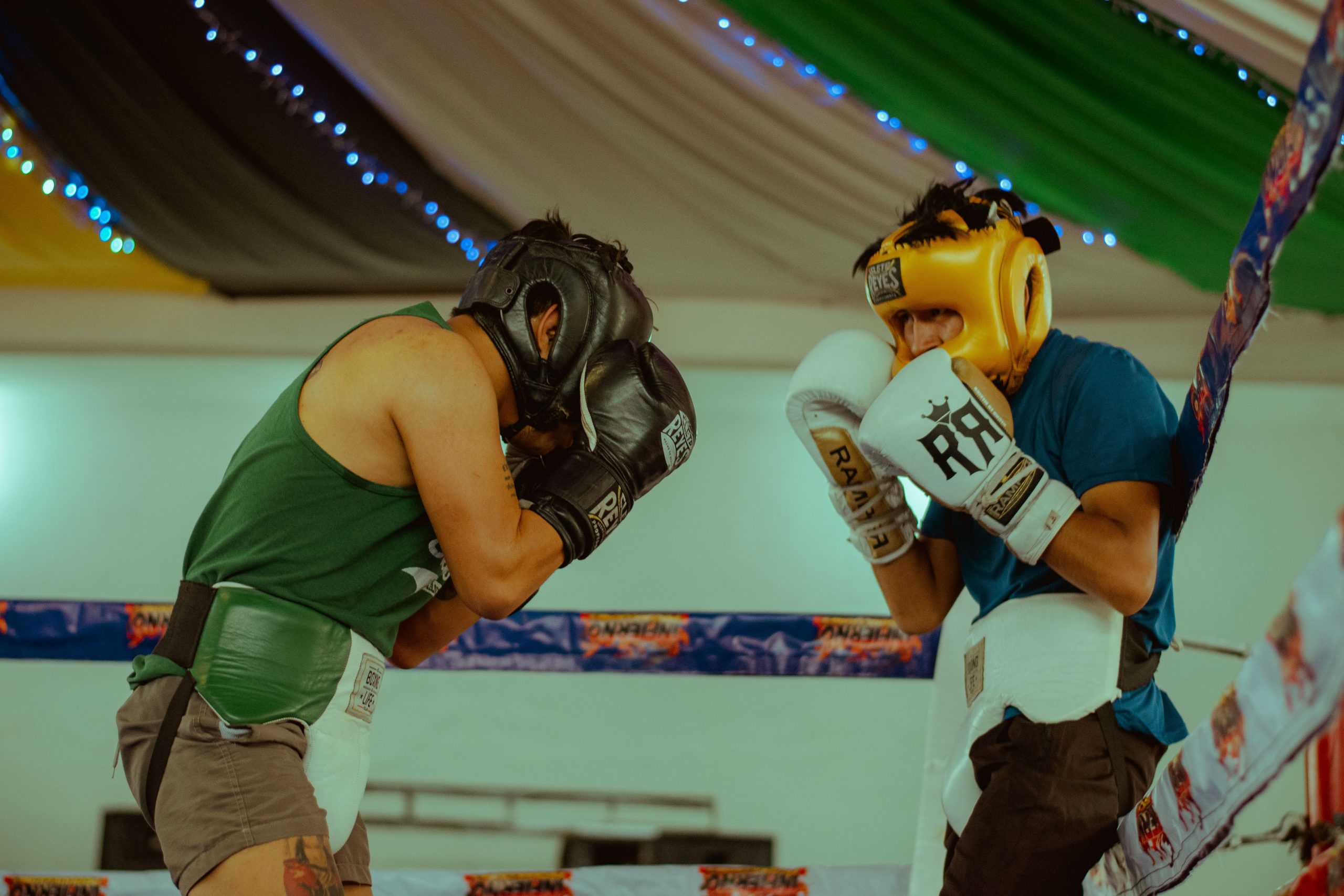
Boxing has always depended on more than what happens inside the ring. Fighters need opportunities, audiences need reasons to care, and events need financial support. This is where boxing promotion plays a central role.
Over the years, boxing promoters have changed how fights are advertised, financed, broadcast, and presented to the public. What began with posters, newspaper coverage, and local word of mouth eventually developed into a global entertainment business driven by television contracts, pay-per-view sales, sponsorships, and digital media.
The Early Days of Boxing Promotion
During the nineteenth century, professional boxing was often illegal or heavily restricted in the United States. Fights sometimes took place in remote locations to avoid interference from local authorities.
Early boxing promotion relied heavily on personal networks. Organizers spread information through taverns, sporting clubs, newspapers, and word of mouth. Printed handbills and posters announced the fighters, location, and prize money, although the exact venue was sometimes kept secret until shortly before the event.
Promoters were responsible for finding a location, attracting spectators, collecting entrance fees, and ensuring that both fighters appeared. The business was risky because an event could be stopped by law enforcement or disrupted by disputes over money.
Newspapers Created Boxing Stars
As boxing became more accepted, newspapers became an important part of boxing promotion. Sportswriters introduced fighters to the public by covering their backgrounds, training camps, rivalries, and personalities.
Promoters understood that a championship fight needed a strong story. A match could be presented as a battle between different cities, nationalities, fighting styles, or personalities. The more emotionally invested the public became, the more likely people were to buy tickets.
Press conferences, public workouts, and dramatic statements became common promotional tools. Promoters often encouraged fighters to exchange insults or make bold predictions because controversy attracted attention.
The rise of famous heavyweights such as John L. Sullivan, Jack Dempsey, and Joe Louis showed how effective media coverage could turn a boxer into a national figure.
Radio Expanded the Audience
Radio changed boxing during the early twentieth century. Fans no longer had to attend an arena or wait for the next day’s newspaper to follow a major fight.
Live commentary allowed millions of listeners to experience each round as it happened. Boxing promotion became national rather than purely local. A fighter who had previously been known only in one city could suddenly gain recognition across the country.
Promoters began considering broadcasting rights as part of an event’s financial value. The fight was no longer limited to ticket sales. Media coverage became another major source of revenue and exposure.
Television Transformed Boxing Promotion
Television had an even greater impact. During the 1950s, boxing became a regular feature in American homes. Weekly programs introduced viewers to established champions and developing fighters.
Television gave promoters a powerful way to build careers. A boxer’s style, personality, and appearance could now reach audiences directly. Fighters who performed well on television often became more valuable because viewers wanted to see them again.
However, television also changed local boxing. Some smaller venues struggled because fans could watch fights from home. Promoters increasingly depended on relationships with networks, sponsors, and advertisers.
The role of the promoter became more complex. Promoters had to negotiate television contracts, arrange suitable opponents, satisfy athletic commissions, market the event, and protect their financial investment.
The Pay-Per-View Era
Cable television and pay-per-view changed the economics of boxing promotion during the late twentieth century. Instead of relying mainly on arena attendance and advertising, promoters could sell direct access to viewers.
Major fights became premium entertainment events. Successful pay-per-view cards could generate enormous revenue, especially when they featured recognizable champions or strong rivalries.
Promotional campaigns became larger and more polished. Fighters appeared in television interviews, commercials, documentaries, and national press tours. Undercards were carefully selected to attract different groups of fans.
Promoters also began working more closely with casinos, which hosted major fights to attract visitors and increase tourism. Las Vegas became one of the most important locations in professional boxing.
Social Media and Streaming Platforms
Modern boxing promotion now takes place across social media, video platforms, podcasts, and streaming services. Fighters no longer depend entirely on promoters or journalists to communicate with the public.
A boxer can build an audience by sharing training videos, personal stories, interviews, and opinions online. Social media followers can influence a fighter’s commercial value because promoters know that an established audience may lead to stronger ticket and streaming sales.
Streaming services have also created new opportunities. Boxing events can reach international viewers without depending exclusively on traditional television networks. Promotional content can be released continuously, allowing fans to follow every stage of training and negotiation.
At the same time, digital promotion has created new challenges. Attention can be driven by online arguments and personal drama rather than athletic achievement. Promoters must balance entertainment with the credibility of the sport.
The Purpose Remains the Same
Although the tools have changed, the purpose of boxing promotion remains consistent. A promoter must convince the public that a fight matters.
Successful promotion connects the fighters’ skills with a story people want to follow. It creates anticipation, develops personalities, secures media exposure, and turns a sporting contest into an event.
Learn About Boxing Promotion from Behind the Scenes
Dennis Rappaport’s I Am Rappaport offers a firsthand view of the creativity and negotiation involved in promoting professional fighters. Rappaport became known for imaginative publicity tactics, aggressive dealmaking, and an independent approach to representing boxers. His efforts helped secure press attention, television opportunities, major fights, and stronger financial terms for the athletes he managed.
Read I Am Rappaport to discover how publicity, negotiation, and personality helped shape boxing promotion outside the ring.