Blogs
Who Was Don King and How Did He Change Boxing?

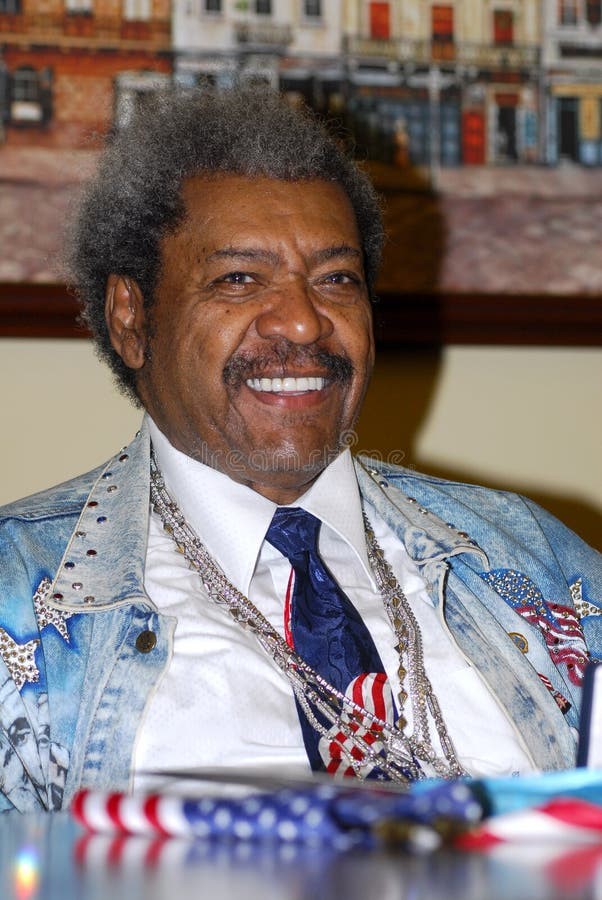
Few boxing promoters have attracted as much attention as Don King. With his distinctive hairstyle, forceful personality, and ability to turn championship fights into international spectacles, King became one of the most recognizable figures in professional boxing.
He worked with some of the sport’s biggest champions, promoted events that reached audiences around the world, and helped increase the commercial value of major fights. His career was also surrounded by disputes, lawsuits, financial accusations, and damaged relationships with fighters.
To understand Don King’s influence, it is necessary to examine both sides of his legacy. He was a gifted promoter who expanded boxing’s reach, but he was also a controversial businessman whose methods raised serious questions about power and fairness in the sport.
Don King’s Entry into Professional Boxing
King entered boxing promotion during the 1970s. He quickly demonstrated that he understood something essential about the business: a fight could be much more than an athletic contest.
A successful event needed recognizable personalities, a memorable story, media attention, and a reason for casual viewers to care. King used press conferences, dramatic speeches, rivalries, and theatrical presentation to make championship fights feel culturally important.
His major breakthrough came when he became involved in promoting the 1974 heavyweight championship fight between Muhammad Ali and George Foreman in Zaire, now the Democratic Republic of the Congo. Known as the “Rumble in the Jungle,” the event became one of the most famous fights in boxing history.
King was also involved in the 1975 fight between Ali and Joe Frazier in the Philippines. The “Thrilla in Manila” demonstrated how a heavyweight rivalry could be marketed as an international event rather than simply another night of boxing.
Turning Fighters into Major Attractions
Don King understood the value of personality. He did not promote only a fighter’s record or punching ability. He promoted identity, conflict, ambition, and spectacle.
Under King’s promotional influence, press conferences became performances. Fighters were encouraged to speak boldly, challenge opponents, and give the media memorable material. Posters, interviews, television appearances, and public events helped build anticipation long before the first bell.
This approach influenced later generations of promoters. Modern promotional tours, faceoffs, behind-the-scenes documentaries, and carefully edited social media campaigns all follow the same basic principle: audiences buy a fight when they become emotionally invested in the people involved.
Changing the Economics of Boxing
King also understood that the financial value of boxing extended beyond arena tickets. Television rights, international distribution, sponsorships, closed-circuit broadcasts, and later pay-per-view could produce enormous revenue.
As the sport became more closely connected to television networks, promoters gained greater control over which fighters received exposure. A boxer’s ranking remained important, but commercial value and promotional relationships could also determine access to major opportunities.
King worked with heavyweight champions and contenders including Muhammad Ali, Larry Holmes, Mike Tyson, Tim Witherspoon, and George Foreman. His ability to control multiple fighters within a division gave him considerable influence over matchmaking and title fights.
However, such influence could also create conflicts. When one promoter had contractual relationships with both sides of a championship contest, questions arose about whether each fighter’s interests were being protected independently.
The Controversies Around Don King
Don King’s career cannot be separated from controversy. Several fighters accused him of withholding money, using unfair contracts, or failing to provide accurate financial information.
Dennis Rappaport’s memoir, I Am Rappaport, offers an insider’s account of how difficult negotiations with King could become. During negotiations for Larry Holmes versus Gerry Cooney, Rappaport insisted on the right to grant third-party closed-circuit rights. This created competition rather than allowing King to control that revenue stream alone. He also demanded independent auditors to monitor income from closed-circuit locations, a provision King strongly opposed.
The book also describes heavyweight Tim Witherspoon’s frustration over his financial relationship with King. According to Rappaport’s account, Witherspoon received $100,000 for fighting Frank Bruno even though his reported share of the purse was considerably higher.
These stories illustrate why strong management and independent legal representation are essential in professional boxing.
Don King’s Lasting Influence
Don King changed boxing by making the promoter a visible part of the show. He understood how to attract media coverage, create international interest, negotiate broadcast arrangements, and make championship fights feel larger than sport.
His success also demonstrated how much authority promoters could gain over fighters’ careers. Control over contracts, television access, opponents, and title opportunities could make a promoter extremely powerful.
King’s legacy is therefore complicated. He helped produce unforgettable events and expanded boxing’s commercial possibilities. At the same time, the disputes associated with his career remain warnings about contracts, financial transparency, and unequal control.
Experience the Don King Era from the Other Side
I Am Rappaport by Dennis Rappaport takes readers inside negotiations with Don King and other powerful figures in professional boxing. Through major fights, contract disputes, publicity campaigns, and financial battles, the book shows what managers faced while trying to protect their fighters.
Read I Am Rappaport to discover the personalities, strategies, and confrontations that shaped one of boxing’s most dramatic eras.