Blogs
The Evolution of Heavyweight Boxing Champions

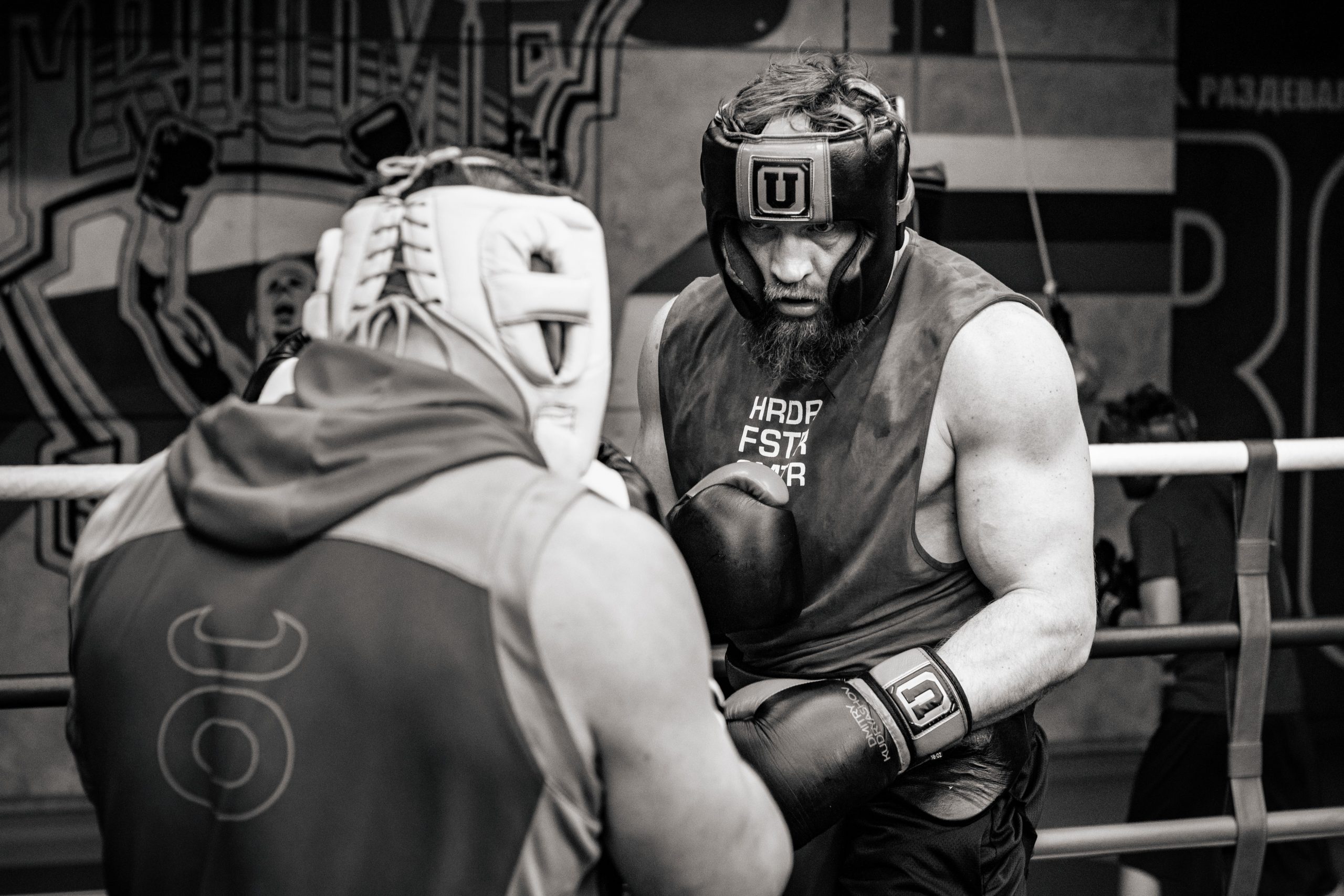
Few titles in sports carry the same cultural weight as the heavyweight championship. For more than a century, heavyweight boxing has produced athletes who represented strength, courage, controversy, and national pride. The division has also reflected major changes in training, promotion, media, and public expectations.
The evolution of heavyweight champions is not simply a record of who defeated whom. It is the story of how boxing changed from loosely organized prizefighting into a global sports business.
The Bare-Knuckle Era
Early heavyweight boxing looked very different from the sport fans recognize today. During the nineteenth century, many contests followed the London Prize Ring Rules. Fighters competed without padded gloves, rounds ended when a boxer was knocked down, and grappling was often permitted.
These matches could last for dozens of rounds and were frequently held in secret because prizefighting was illegal in many locations. Champions were known for endurance, toughness, and their ability to survive physically punishing contests.
John L. Sullivan became one of the most famous figures of this period. Known as the “Boston Strong Boy,” Sullivan helped turn the heavyweight champion into a national celebrity. His career also represented the transition between bare-knuckle competition and gloved boxing.
The Arrival of Modern Rules
The adoption of the Marquess of Queensberry Rules changed heavyweight boxing. Fighters wore padded gloves, rounds were limited to three minutes, and a ten-second count determined whether a knocked-down boxer could continue.
These rules encouraged a more technical style. Footwork, defensive movement, combinations, and conditioning became increasingly important. Champions could no longer rely solely on physical toughness or wrestling ability.
James J. Corbett represented this new approach. His movement and ring intelligence helped demonstrate that heavyweight success required strategy as well as strength. As boxing became more regulated, athletic commissions, official referees, and standardized contracts also became more important.
Champions Become National Symbols
During the early twentieth century, heavyweight champions became symbols of broader social and political issues.
Jack Johnson became the first Black world heavyweight champion in 1908. His success challenged racial barriers and made him one of the most controversial athletes of his era. His fights attracted enormous attention because they carried meaning far beyond sports.
Jack Dempsey later helped transform heavyweight boxing into a large-scale commercial spectacle. His aggressive style and public appeal attracted massive crowds. Stadium events, newspaper coverage, and radio broadcasts made heavyweight championship fights national occasions.
Joe Louis took on an even greater symbolic role. His long reign and rematch victory over Max Schmeling made him an important figure during a period of international tension. Louis showed how a heavyweight champion could become associated with national identity and social change.
The Rise of Power and Athleticism
Heavyweight boxing continued to evolve as athletes became larger, faster, and better conditioned. Rocky Marciano represented relentless pressure and durability, retiring as an undefeated heavyweight champion.
Later champions introduced different combinations of speed, technique, and physical power. Floyd Patterson was known for quick movement and combinations, while Sonny Liston brought intimidation and devastating punching strength.
Muhammad Ali changed expectations for the entire division. He moved with the speed of a lighter fighter, used psychological tactics, and understood how to build public interest. His confidence, political positions, and memorable rivalries made him one of the most recognizable athletes in the world.
Ali’s fights against Joe Frazier and George Foreman demonstrated that heavyweight boxing could combine technical competition, personal conflict, cultural importance, and global entertainment.
The Television and Pay-Per-View Era
Television changed the way heavyweight champions were created and promoted. Fighters could build national audiences without fans attending every event. Interviews, documentaries, and broadcast commentary shaped how the public viewed their personalities.
During the 1980s, Larry Holmes established himself through consistency, skill, and a strong jab. Mike Tyson later brought a new level of speed, aggression, and intimidation to the division. His early knockouts and dramatic public image made him a major attraction.
Pay-per-view further changed heavyweight boxing. Champions such as Evander Holyfield, Lennox Lewis, and Riddick Bowe competed in events marketed to international audiences. Revenue increasingly depended on broadcasting agreements, promotional partnerships, and public demand.
A heavyweight champion was no longer only the best fighter. The champion also needed commercial appeal, media visibility, and strong professional representation.
Heavyweight Boxing in the Modern Era
Modern heavyweights are often larger than champions from earlier generations. Many stand well over six feet tall and compete at weights that would once have been considered unusual.
Training has also become more specialized. Fighters work with strength coaches, nutritionists, conditioning experts, analysts, and large professional teams. Modern champions must prepare for opponents with different styles, international backgrounds, and extensive amateur experience.
The division has also become more global. Champions and contenders now emerge from the United States, the United Kingdom, Eastern Europe, and other regions. Streaming platforms and international broadcasts allow major heavyweight events to reach fans around the world.
However, multiple sanctioning organizations and championship belts can make it harder for fans to identify one undisputed champion. Negotiations between promoters, networks, and management teams may delay major fights, showing how business decisions continue to influence the sport.
Discover the Business Behind Heavyweight Boxing
Dennis Rappaport’s I Am Rappaport provides a behind-the-scenes look at heavyweight boxing through the experiences of a manager involved in major negotiations, promotions, and championship opportunities. The book explores his work with fighters, including heavyweight contender Gerry Cooney, and shows how publicity, business strategy, and personal advocacy shaped careers outside the ring. Rappaport became known for fighting to secure stronger financial terms for the boxers he represented.
Read I Am Rappaport to explore heavyweight boxing from the perspective of a manager who experienced its risks, rivalries, and major events firsthand.